
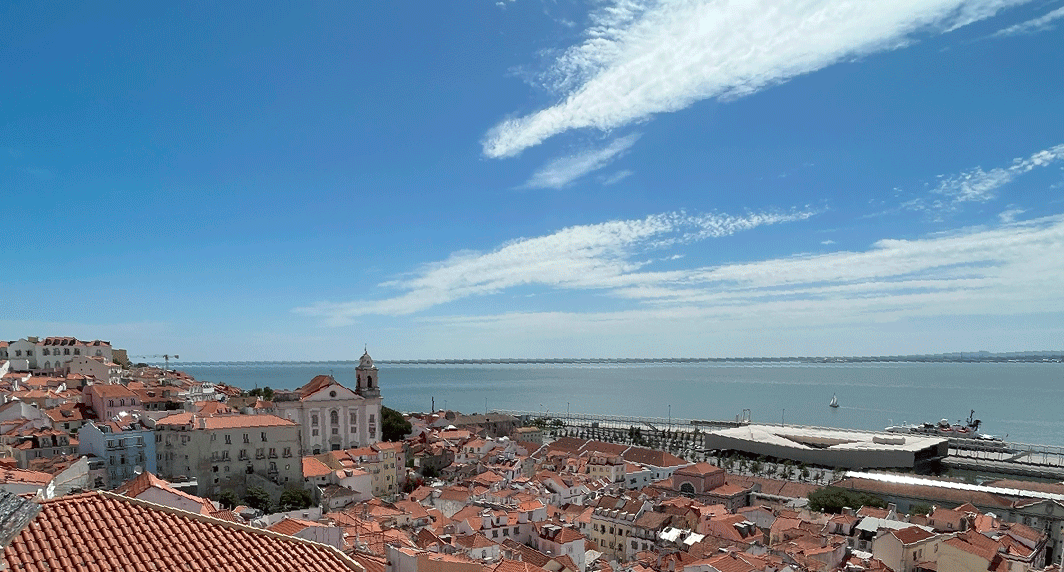
Last summer, I had the opportunity to travel abroad, an experience I had been looking forward to for months. I imagined a smooth and exciting month filled with cultural exploration and memorable moments. However, several challenges I faced were not caused by bad luck, but by avoidable mistakes I made. Looking back, I realize that better preparation and responsibility could have significantly improved my experience.
One of my biggest mistakes was failing to do enough research before leaving. I assumed I could easily figure out transportation systems, important locations, and local customs once I arrived. Instead, I often felt confused and wasted valuable time trying to navigate unfamiliar transit routes. I also missed certain attractions simply because I had not properly planned my schedule. If I had reviewed maps, checked schedules, and learned more about the area beforehand, I would have saved time and reduced stress. I learned that preparation is essential for making the most of a summer abroad.
Another avoidable mistake was poor budgeting. I created only a rough estimate of my expenses instead of a detailed financial plan. At the beginning of the program, I spent more than I should have on restaurants and souvenirs because I assumed I could adjust later. When unexpected expenses came up, such as higher entrance fees or transportation costs, I felt anxious about my remaining funds. A clear daily spending limit and a small emergency reserve would have prevented this problem. This experience taught me that financial discipline is just as important during travel as it is at home.
Time management was also a weakness. I tried to schedule too many activities each day because I wanted to see as much as possible. As a result, I became physically tired and mentally overwhelmed. Instead of fully appreciating each location, I rushed through important sites without taking time to reflect. Travel should be about meaningful experiences rather than simply completing a list of destinations. A more balanced schedule with proper rest would have allowed me to enjoy the trip more deeply.
Most importantly, I learned that school work must come first. As a student, my primary responsibility is my education. Before travelling, I did not organize my assignments or plan ahead for upcoming deadlines. I assumed I would have time to catch up afterward, but this created unnecessary stress when I returned home. In the future, I will make sure that all major school tasks are completed or properly scheduled before travelling so that my academic performance is not affected.
Overall, the mistakes I made were preventable, but they taught me valuable lessons. I now understand that preparation, financial control, balanced scheduling, and academic responsibility are essential for a successful month away. By learning from these errors, I can approach future travels with greater maturity and better decision making.
Thank you to Student Ambassador George G. for writing this blog post!